Content Is Visible. Structure Is Invisible.
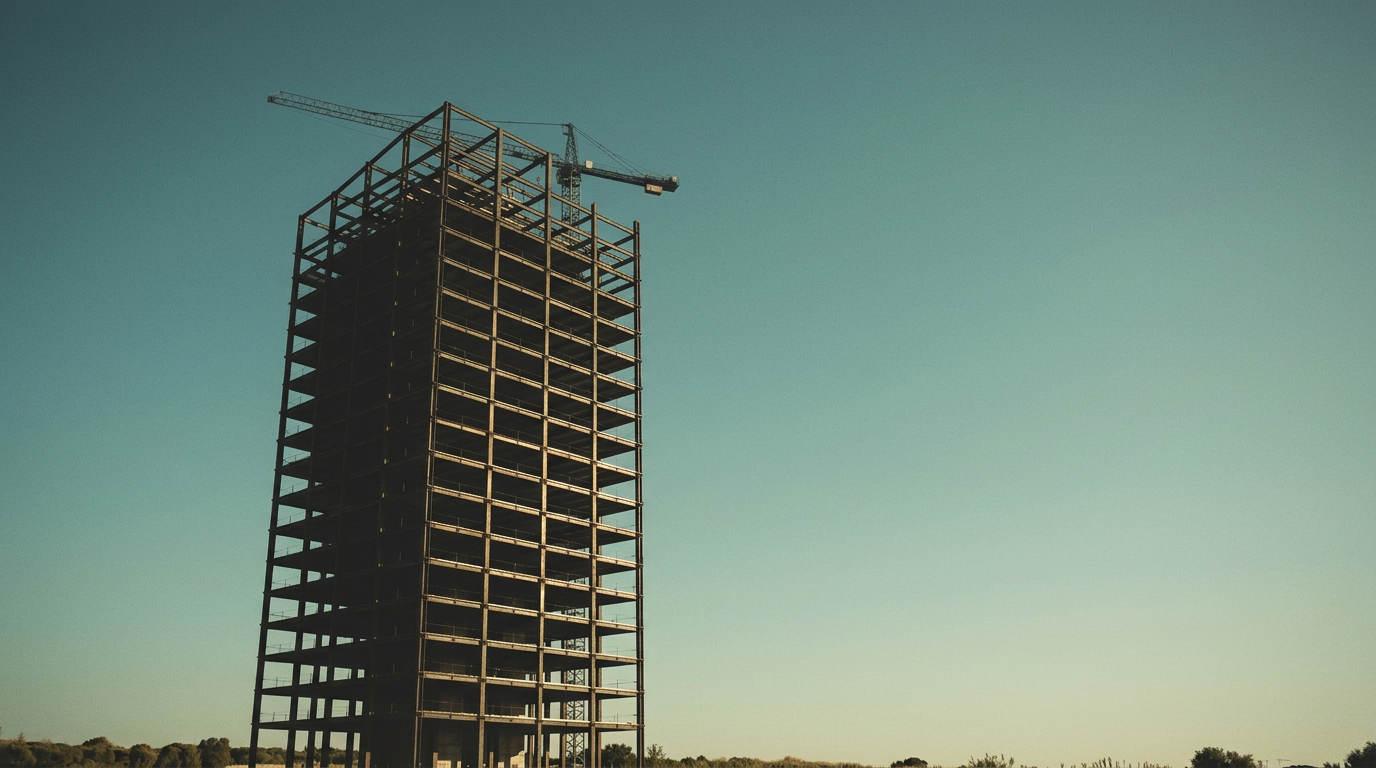
When training doesn't work, people blame the content. Wrong information, outdated examples, not relevant enough. Fair enough. Sometimes they're right.
But after building over a thousand courses for eight hundred organisations, I can tell you: most of the time the content is fine. The problem is underneath.
It's where the scenario sits in the flow. Whether the assessment tests recall or application. How concepts build on each other - or don't. Whether the pacing gives someone space to think or just gives them more to read.
This is the stuff nobody sees. It's also the stuff that determines whether a course changes how someone works or just adds a certificate to their compliance record.
When we built CourseAgent, this was the obsession. Not generating content faster. Generating courses where the invisible architecture - the scenario placement, the section type selection, the assessment design - reflects what we've learned works. Thirty-five different section types exist in the platform because a flipcard teaches differently to a timeline, and that choice should be intentional, not defaulted.